#SBS26 Recap: Strategies and solutions for the ‘365 Venue’

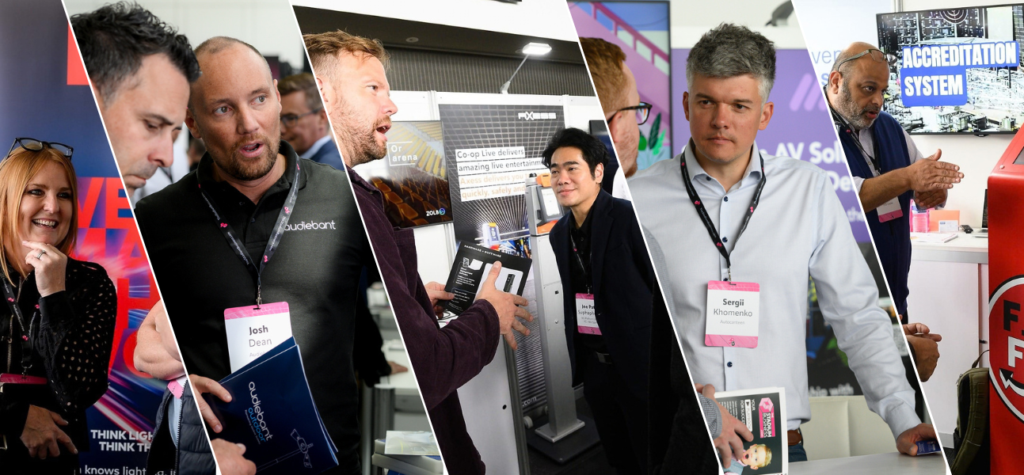
More takeaways than Uber Eats! A programme packed with insights and ideas was provided to attendees at #SBS26
Images: Paul Heyes Photography
More takeaways than Uber Eats! A programme packed with insights and ideas was provided to attendees at #SBS26
Images: Paul Heyes Photography
From technological innovations, creative programming and 365-day venues to best practices with premium, fanzone and accessibility offerings, TheStadiumBusiness Summit 2026 covered a wide range of topical issues last week in Manchester.
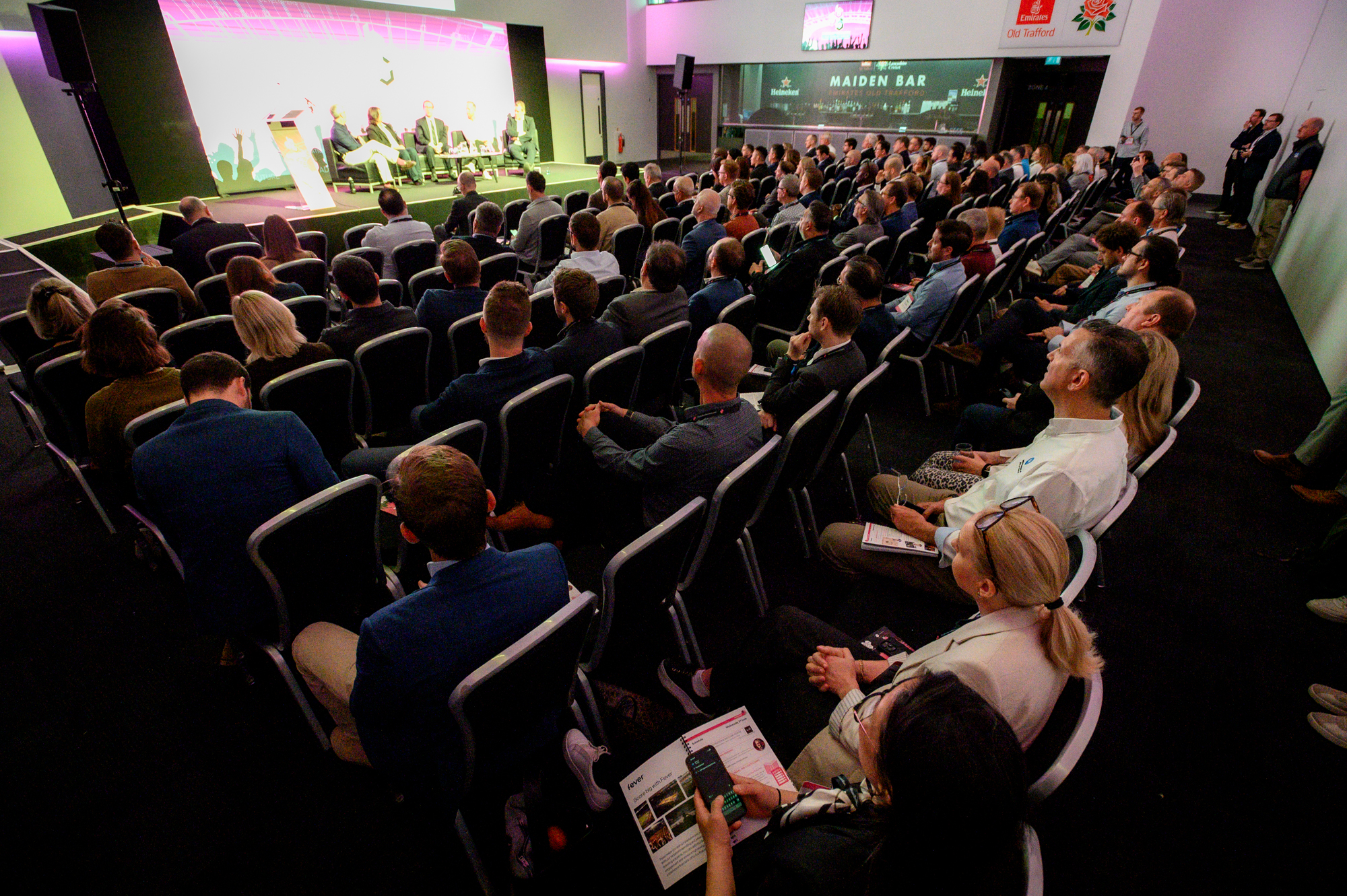
The 17th annual gathering drew to a close at Emirates Old Trafford after two days of top-level networking, engaging discussions, insights and essential takeaways – right up to the final session of this year’s Summit.
Indeed, delegates departed #SBS26 questioning their level of preparedness regarding one of the most significant changes to venue safety and operational planning in recent years. While applicable to the UK market, Martyn’s Law – formally the Terrorism (Protection of Premises) Act 2025 – has already gained attention elsewhere, with the regulatory changes having potential ramifications around the world.
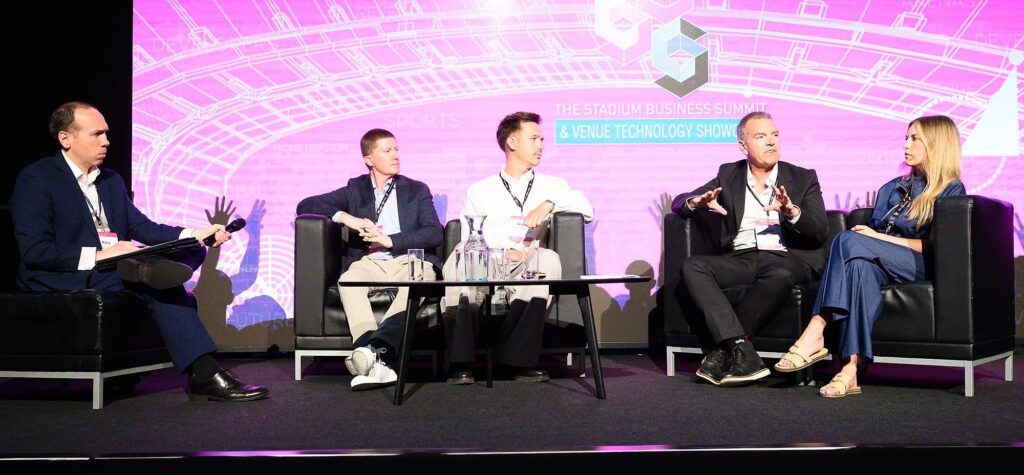
Under Martyn’s Law, venues now have less than a year before active enforcement begins by the Security Industry Authority in spring 2027. The question of ‘are you ready?’ was posed by the panel ‘Venue Safety & Operations’ , with Alan Baldwin, CEO of United Outcomes (pictured right), stating “continually re-evaluating where you are as a venue is key”.
Baldwin added: “The single biggest risk to compliance is that it will take you too long to implement if you’re not already rolling it forward.”
Alex Luff, head of event sales and operations for the Welsh Rugby Union and Cardiff’s Principality Stadium, offered a key message to venues and operators that “one size does not fit all”. He added: “You’ve got to take a really forensic look at what the Act means for you as a venue and business.”
Regarding a general state of unpreparedness across the industry amid the ticking clock to enforcement, Gareth Brearley, managing director of Augur Initiative, said this could be down to the Act being viewed as “quite a scary piece of legislation”. He added: “We’ve just been through GPDR, but this is really uprooting processes and has significant consequences if venues get things wrong.”
However, Brearley believes its implementation should be looked upon with positivity by the industry. He added: “There is an opportunity to use this as a way to push the whole business forward… [but] if you are persistently on the wrong side of this, the public will vote with their feet and walk away from you.”
Evolving the premium experience
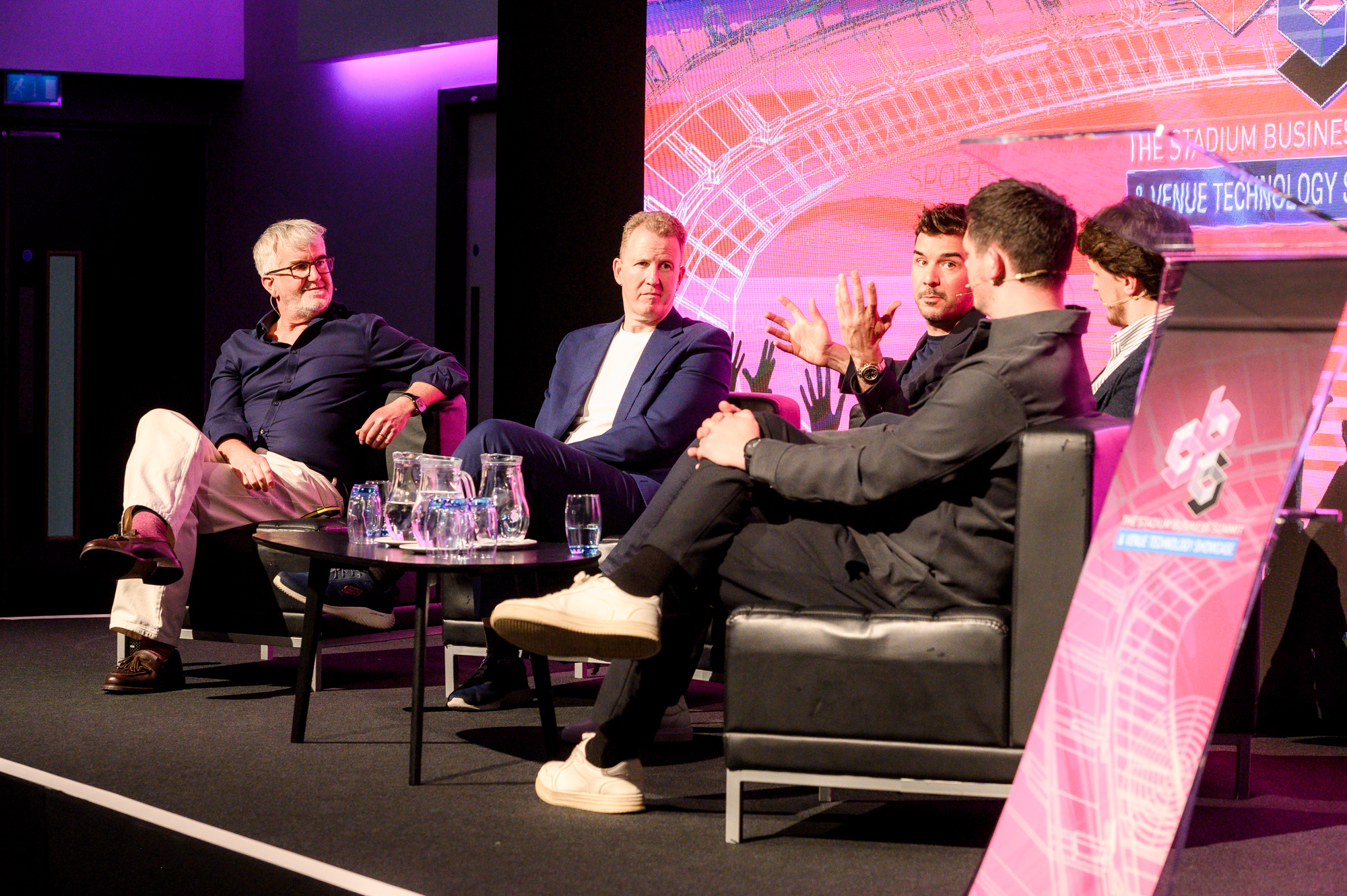
Day one of the Summit was packed with no fewer than six informative and engaging panel sessions. ‘Premium Directions’ focused on the evolution of premium and VIP offerings, and the growth of ‘premium for all’ products to create new customer segments within traditional ‘ticket-only’ GA offers.
Oliver Wright, premium director for Europe at Legends Global, said investments in hospitality projects “stand at a tipping point”. He continued: “Historically there has been an over-engineering of spaces, but we need to focus on touch points that customers engage with.”
Daniel Gidney, CEO of Lancashire Cricket and Emirates Old Trafford, shared how the stadium has gone from £9m (€10.4m/$12.1m) turnover in 2012 to £35m today pointing to #SBS26 host venue The Point and the Hilton Garden Inn hotel developments as the key revenue drivers behind this.
Gidney said: “What the customer can see, touch and feel is increasingly important and you need to refresh your buildings. This should be every five to seven years, ideally. Value engineering can absolutely be the difference between a project’s success or failure.”
In Spain, LaLiga is the only football league in Europe that has an in-house consultancy for its clubs, with the stadium element focusing on ticket sales, hospitality and premium, and non-matchday.
Milos Nenadovic, head of stadium revenue for LaLiga, said: “Our market is hungry for diversification and different products, but we have to balance this with sustainable growth.
“We have seen clubs over-invest and create really cool spaces that go unsold. Spaces that are scalable are key for us. If it doesn’t scale upwards then it doesn’t get built.” Also adding his insights to the panel was Will Mayes, CEO and founder of Layrd Design.
C-Suite learnings
Opening up the Summit, ‘The C-Suite’s Diary’ saw a panel of execs pick out the challenges facing their own venues, but also the sector as a whole. With the 2026 FIFA World Cup looming, one of the key venues for the tournament, MetLife Stadium, was represented on the panel.
The home of the NFL’s New York Giants and Jets will host eight games in total, including the final itself, and Adam Raiken, chief financial officer at MetLife Stadium, described parking and transportation as “one of our biggest challenges”.
Raiken said officials have been working on this since the stadium’s inception, with the World Cup intensifying this issue. He stated: “The FIFA site plan has seen us lose 50% of our parking. The biggest issue I foresee is Uber drop-offs and how we can support that.”
For FC Copenhagen, the Danish Superliga club’s CEO, Jacob Lauesen, said the “biggest discussion” with its ownership right now is how Parken Stadium is redeveloped in its current footprint. Lauesen said a new build stadium would have to be at a site 30km away.
Providing perspectives from Bristol, Mark Kelly, CEO of Ashton Gate Sporting Quarter, said the hope is for phase one of the project, a £150m venture, to start in September. Kelly said this would “close the circle of our long-term vision” for Ashton Gate, home of EFL Championship club Bristol City and Prem Rugby outfit Bristol Bears.
More broadly, Kelly also spoke out on the contentious issue of permitting alcohol consumption in stadium bowls during football games in England, stating the ban “is a nonsense and needs to be loosened”. He added: “We have to lobby for it and a politician needs to be brave enough to back it.”
The 365-day Venue
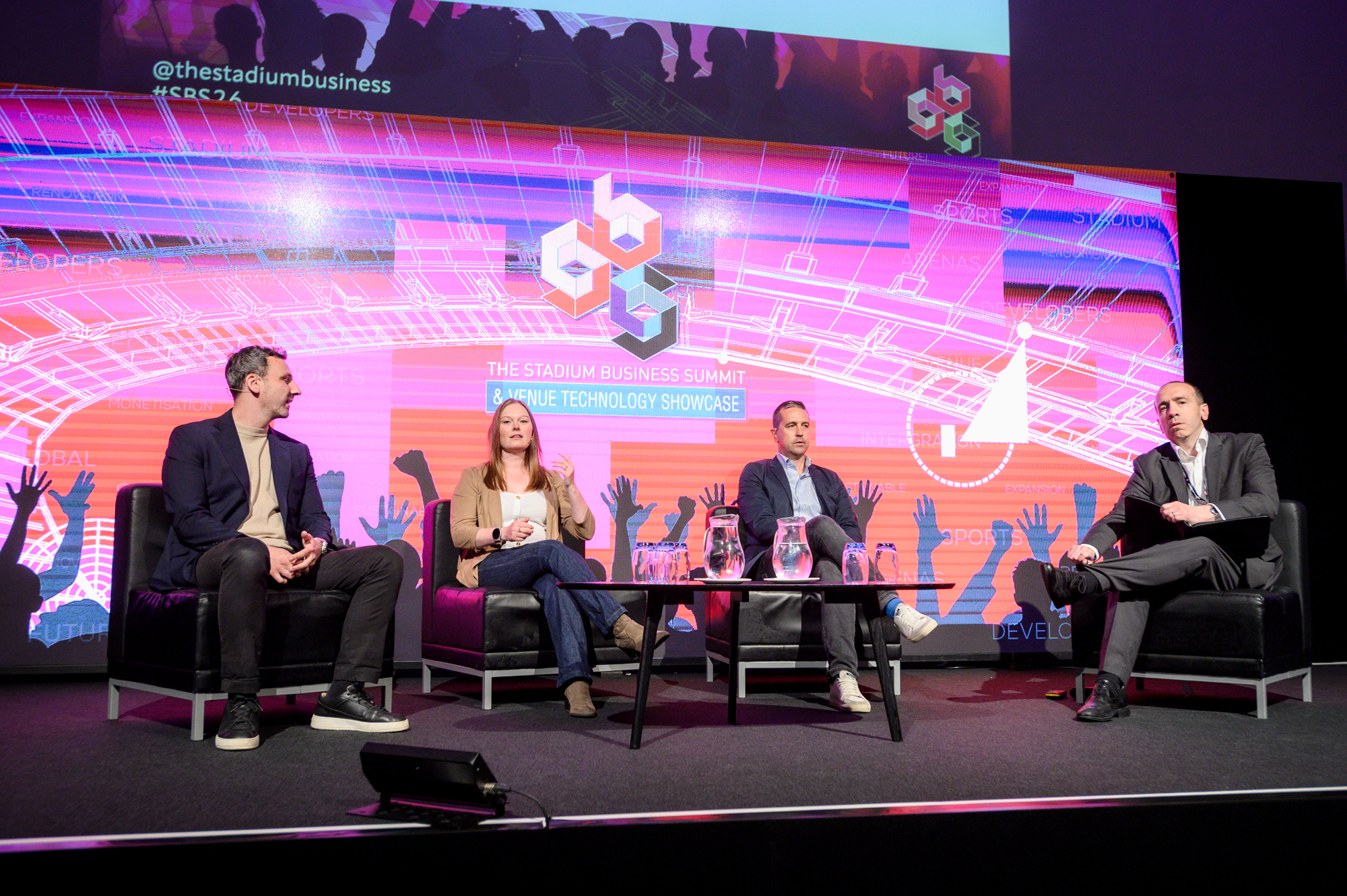
Moving onto the subject of transforming stadiums into 365-day destinations, the ‘A Different Game’ panel explored how venues are redefining themselves as year-round entertainment, lifestyle and community destinations.
Julie Beels, head of events at the Scottish Rugby Union, said the organisation views events at its Scottish Gas Murrayfield as “about more than just the stadium, but the whole tourism experience from visiting Edinburgh”. Moving forward, she said Scottish Rugby is looking at how we can make the stadium footprint “more viable and flexible for smaller artists”, for example by utilising the adjacent Hive Stadium.
Gary Bell, commercial director of London Stadium, said that while there is a belief the venue has become one of the “major success stories” in genuine multi-use stadiums, it is now at the “tipping point” in terms of potential redevelopment and how the wider footprint can be utilised.
With Dominic Hobbs, business development director at Freemans Event Partners, also speaking on the panel, Bell said that “longer term we’re looking at a much broader real estate play that can help diversify revenue moving forwards”.
The ‘Digital Tools for Growth’ panel explored the digital layer of stadium development, framed by the resumed effort to deliver the Nou Mestalla, what will be the future home of LaLiga club Valencia CF.
Paola Garçon, head of partnerships at 3D Digital Venue, stated that that “you have to push” to get into the project as early as possible. “3D visualisation used to be seen as a nice to have, but this has really shifted of late,” she said. “A 3D model can not only show off a stadium, but is also a tool that is key to making early business decisions.”
Pablo Pérez, partnerships coordinator at Valencia CF, said digital tools “can create confidence” among partners and sponsors in what to expect from a new stadium. Vicky Jaycock, vice-president of global sales in the UK for Legends Global, provided additional insights.
People, processes and performance
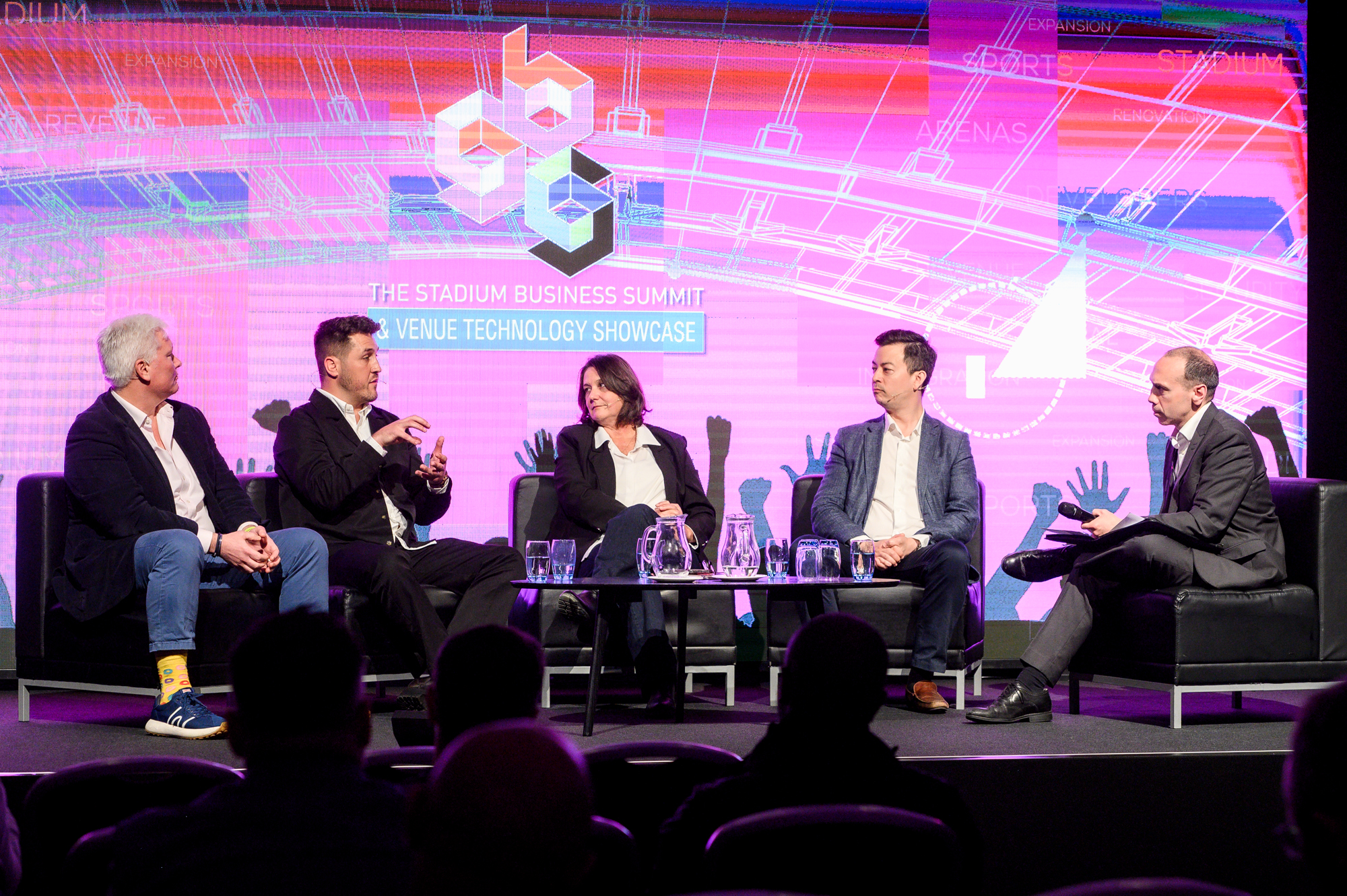
Empowering the Team’ was the theme of a panel session examining how operational culture, cross-functional collaboration, and data-driven decision-making influence revenue generation, fan spending and long-term engagement.
Gina Woodburn, CEO of DHL Stadium in Cape Town, reminded delegates that people come to stadiums “because they want to be social, to have that feeling of connection”.
She continued: “It’s important to really encourage that connection, for example between staff and fans. We can get too caught up in the data-driven approach to running a stadium.”
Matt Simms, group head of technology at Stadium MK, said that the “challenging part for leadership is to bring all the different silos together”. He stated: “In terms of people the biggest thing is communication. Making people think they are part of a staff body, rather than being based in different silos.”
Woodburn and Simms were joined on the panel by Tim Morgan, CEO of Swiftpos Oolio, and Dominic Fraser, strategic account executive at Humanforce.
Meanwhile, the ‘Creative Programming’ session sought to tackle how embracing opportunities while managing risk can see new events go from becoming a concept to an annual calendar fixture. Lorenzo Ceretto, global head of sports at Fever, said that “new concepts of experiences is what we’re trying to explore”.
Tony Booth, vice-president of sales in the UK and EMEA, revealed that Signature Systems has designed a new ice cover that will launch later this year. He added: “This means that ice arenas can diversify in terms of their events content.” The panel was granted additional insight by Andre Holthe, board director of Multiarena A/S, and Renee Brown, general manager of MyState Bank Arena.
Monetising stadia
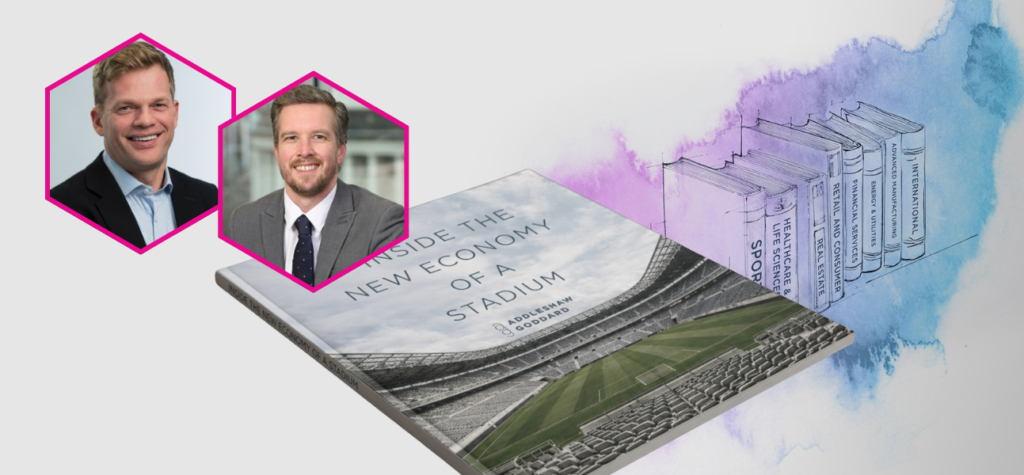
The opening day also featured the exclusive launch at the Summit of Addleshaw Goddard’s new report: Inside the New Economy of a Stadium.
Anthony Willis, partner for construction and engineering, and Ben Cooke, partner for commercial, added their legal and commercial insights into the monetisation of stadia.
Willis said: “Having a more sophisticated stadium bowl with fewer seats, but enhanced matchday experience is where you can increase your revenue. It’s not all about simply adding extra seats. It’s not about pure capacity anymore, but more about how seats are used and the value of those seats.”
Cooke added: “The concert market is hot at the moment, but in my opinion this is driven by the big artists and long-term I think this should be viewed as a risk. I’m not convinced that concerts market is sustainable for stadiums. Those that are successful will be the ones that diversify more.”
The progression of fanzones
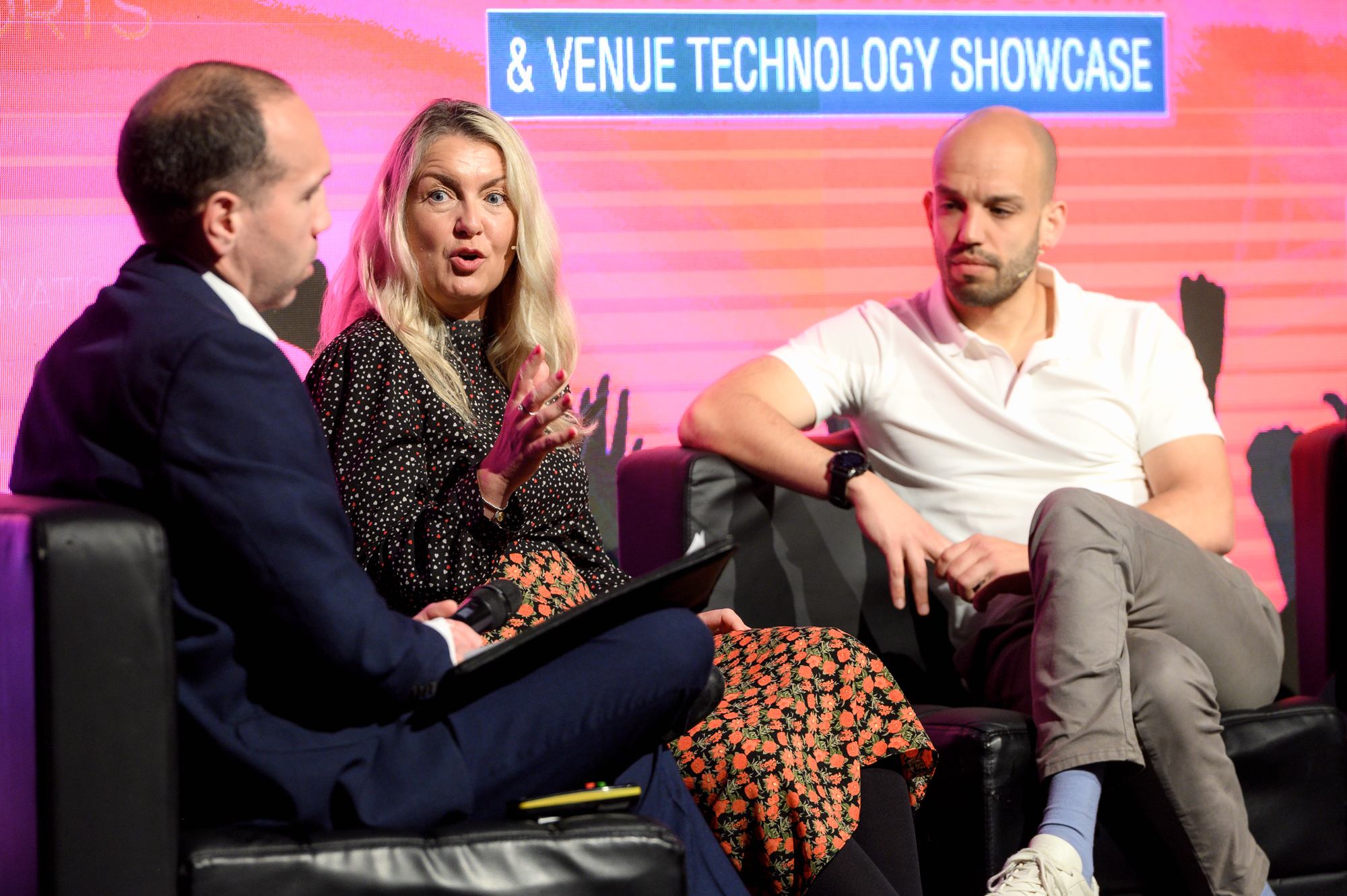
On day two, a panel entitled ‘Beyond the Fanzone’ looked at the broadening of the fan experience into a social, lifestyle offer. The session featured Jon Pallett, ex-head of communications at Hong Kong China Rugby; Chris Anguelov, group head of revenue and growth at Bolton Wanderers FC; Joe Tromans, chief revenue officer at Worcestershire CCC; and Sarah Medcalf, head of supporter services at Newcastle United FC.
Discussing the celebrated St. James’ STACK outside St. James’ Park in the heart of Newcastle, Medcalf said that it has a “real pull factor”. She continued: “On a matchday we really use the Newcastle United content, while on non-matchday we really push the F&B offer. This is not just a fanzone, but about creating a true experience throughout the week.”
Tromans shared how Worcestershire has adapted its fanzone offering to align with the considerable challenges presented by the site of the club’s New Road ground on the banks of the River Severn.
He said: “With the flooding risk at New Road, we’ve flipped this on its head and used our situation to evolve the fan experience to our advantage, developing it each year. We went from having one dedicated fanzone to eight separate experiences… [and] modular builds have been key.”
Anguelov said that “being supporter-led” is key to a strong fanzone, “listening to what fans want and building that connection”. Bolton’s offer at the Toughsheet Community Stadium includes indoor and outdoor home fanzones, as well as a dedicated space for away fans, with Anguelov stating the club doesn’t want to view away fans as an “operational burden”, but instead wants to be seen as a “warm and welcoming venue”.
He also sent the message that you “have to speculate to accumulate”, adding that the club doubled revenues in the indoor fanzone by increasing staffing by 30%.
Eliminating barriers
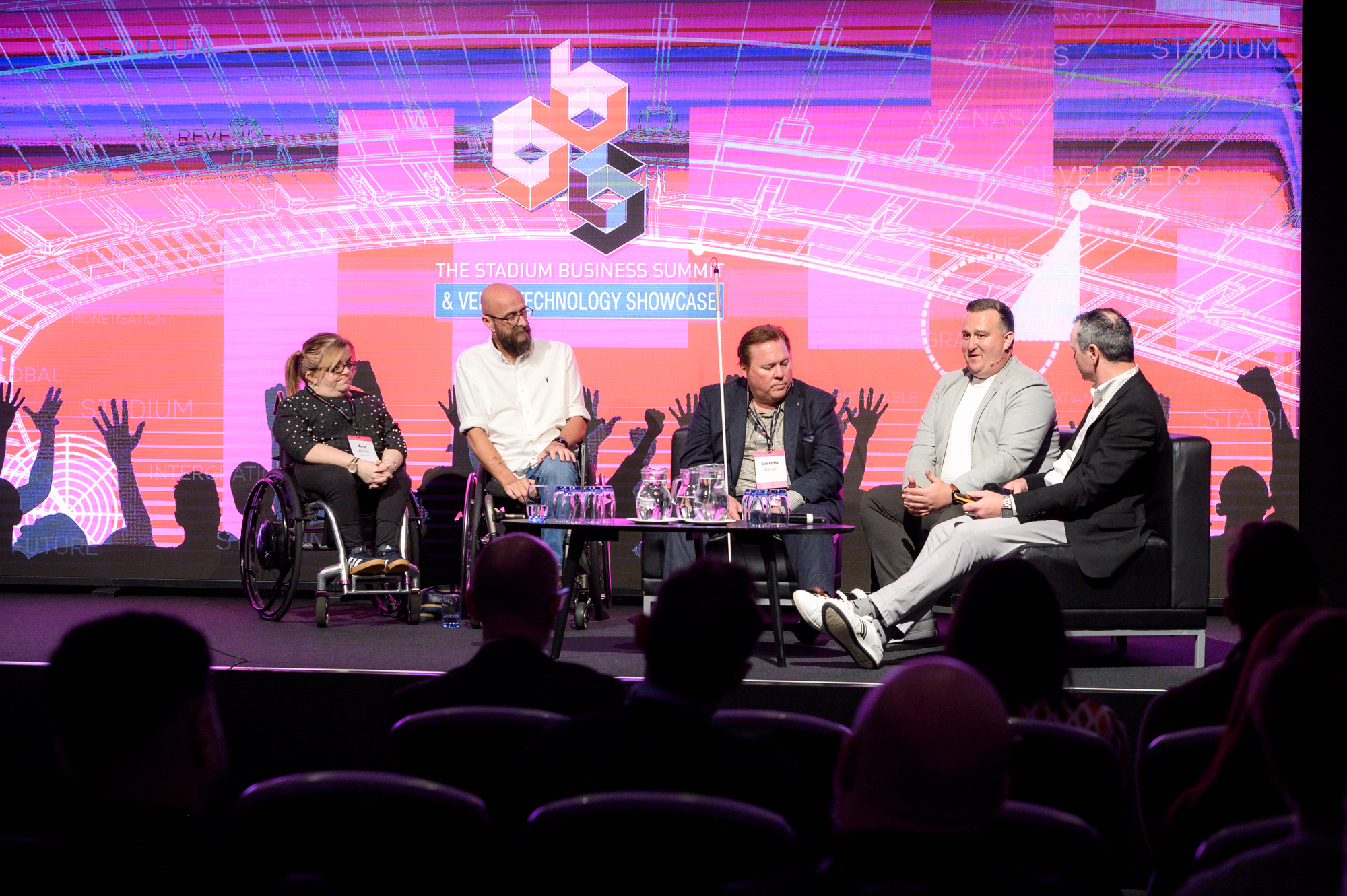
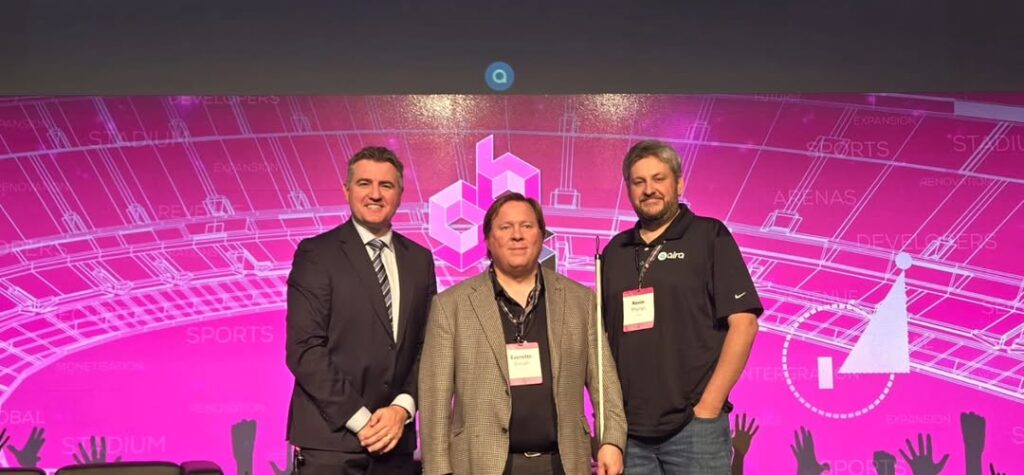
The ‘Accessibility as a Growth Strategy’ session also provided multiple viewpoints. Sharing their insights and solutions to opening the doors to all were Amy Wilson, fan liaison and access officer for AccessibALL; Everette Bacon, chief of blindness initiatives at Aira; Martin Austin, managing director of Nimbus Disability; and Daniel Cook, head of ticketing at the Welsh Rugby Union & Principality Stadium.
Cook stated: “Accessibility isn’t just about ramps and accessible spaces; it needs to cover every single touchpoint of the event experience.”
Bacon added: “Staff on the whole are marvellous. I’ve never had a negative experience. But it’s still not the same if you have to wait for them for assistance. Having that agency to move around a venue how we like is what we want.”
Elsewhere on the final day at SBS26, a venue focus on Cantù Arena saw the future home of Lega Basket Serie A club Pallacanestro Cantù spotlighted from concept to completion by its CEO, Andrea Mauri.
Stating that the new venue will be a “game changer” for Italy in terms of pro sports, Mauri outlined how, when fully open in February 2027, Cantù Arena will be the first project delivered under law introduced in 2012 to encourage new arena and stadium projects.
He added: “I’m seeing change in the past two years, not only in the sports industry, with a big willingness to engage in infrastructure projects. This is a cultural and political change.”
On the final afternoon of the Summit, Malcolm Clarke, former chair of the Football Supporters Association, reminded delegates that meaningful consultation with fans is essential if they are to shape a winning stadium experience for years to come.
–
TheStadiumBusiness team returns to Manchester for its 18th annual Summit on 7-8-9 June 2027.






Share this